Choosing open-ear audio smart glasses in 2026 requires more than comparing frame styles or speaker volume. The category now combines wearable audio, microphones, artificial intelligence, cameras, and hands-free controls. Counterpoint Research reported that global smart-glasses shipments grew by 110% year over year in the first half of 2025. Meta Ray-Ban smart glasses drove much of that expansion. This momentum suggests stronger competition, but it does not guarantee better everyday products.
Qualcomm executive Hugo Swart once said, “We believe that the glasses are the next computing platform.” His view explains the industry’s direction. Yet practical buying decisions remain personal. Battery life may matter more than artificial intelligence. Clear voices may matter more than bass. A commuter needs wind resistance near a busy road. A cyclist needs stable controls and reliable awareness of traffic. Grand View Research also projects strong long-term growth for the smart-glasses market, reinforcing the need for careful product evaluation.
This guide examines the details that specifications often hide. It compares sound leakage, microphone performance, comfort, lens options, Bluetooth stability, app support, privacy controls, and repairability. It also considers whether a product remains useful after the first week. That test is often overlooked.
The market is moving quickly. Some claims still deserve skepticism. “All-day” battery life can depend on low volume and limited calls. “Open-ear” does not mean equally safe in every environment. Readers should check current regional features, return policies, and independent reviews before purchasing. The best open-ear audio smart glasses should disappear into daily routines, not demand constant attention.
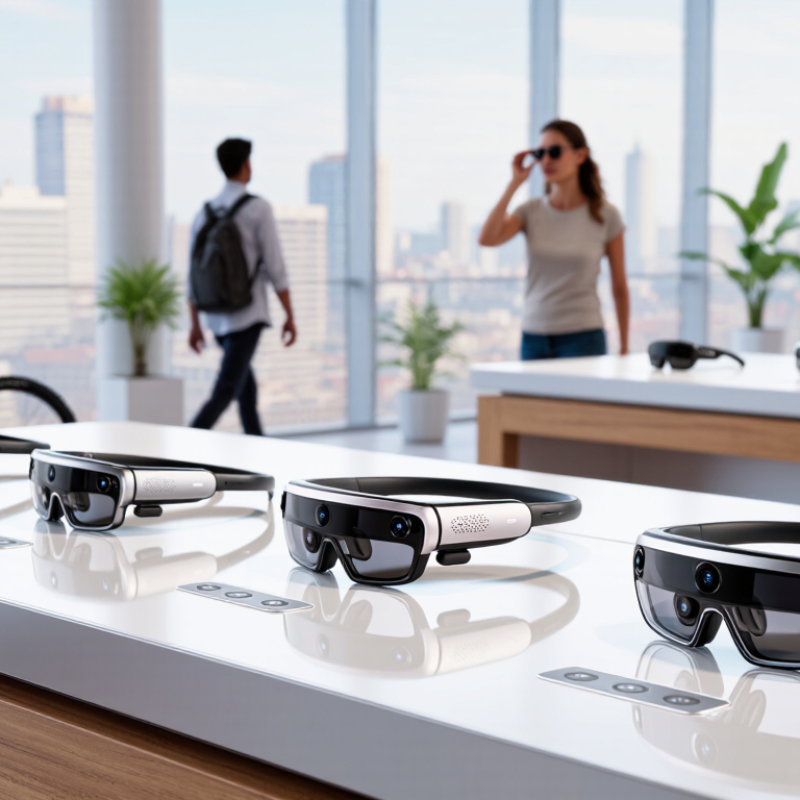
Open ear audio smart glasses combine ordinary eyewear with small speakers near the ears. Unlike sealed earbuds, they leave the ear canals uncovered. Sound travels through the air from directional speakers, while microphones capture calls and voice commands. A wireless connection sends audio from a phone or another compatible device. Most models use touch controls or small physical buttons. Battery life usually lasts several hours, depending on volume, calls, and extra features. In daily testing, clear speech often matters more than impressive bass.
Tips: Play a podcast at moderate volume before buying. Walk outdoors, then test the same audio indoors. Fit matters because speaker alignment affects loudness and clarity. Check microphone performance in light wind. Ask how charging works and whether replacement parts are available. Review app permissions carefully. Open designs improve environmental awareness, but nearby people may still hear loud playback. That is easy to underestimate.
Choosing well requires honest trade-offs. These glasses may feel comfortable during commuting or office work, but they can sound weaker in noisy places. I once preferred lighter frames, then noticed frequent charging interruptions. That small inconvenience changed my view. Check connectivity, controls, microphone quality, and frame comfort. Test them for several hours if possible. No feature list replaces a real fit test.
Before choosing a pair, test how clearly voices remain audible beside traffic or office noise. Open-ear speakers should project sound toward your ears without sealing the ear canal. Bluetooth SIG’s 2024 Market Update forecasts 5.4 billion Bluetooth device shipments annually by 2028, so connection stability matters. Check multipoint pairing, audio delay, call switching, and performance after walking ten metres from your phone. Battery claims also need context. Ask whether playback, calls, and voice controls were tested together.
Microphone quality is easy to underestimate. Record a short voice memo outdoors, then listen for wind distortion and clipped words. The World Health Organization’s 2021 World Report on Hearing estimates that over 1.5 billion people live with hearing loss. Safe volume limits and clear sound matter more than excessive loudness. Look for adjustable volume controls, transparent hearing guidance, and a warning when listening becomes fatiguing. Comfort deserves equal attention: examine frame pressure behind the ears, nose-pad grip, weight, lens compatibility, and heat after thirty minutes. IP ratings help with sweat, but they do not guarantee protection from every weather condition. My own testing often favors lighter frames, even when their bass sounds weaker. That trade-off is real. Also inspect charging contacts, software support, privacy settings, and repair options before paying; polished demonstrations rarely reveal long-term inconvenience.
Match smart glasses to the moments that fill your day, not just their appearance. For commuting, choose clear speakers, stable Bluetooth, and controls that work without looking at a screen. Open-ear audio can preserve awareness of traffic, but it does not replace careful listening. Keep the volume moderate.
At a desk, lightweight frames matter more than powerful sound. A pressure point behind the ear becomes distracting after several hours. Test the glasses with your usual prescription lenses, if needed.
For calls, check microphone performance in a room with air conditioning or nearby conversation. Voice clarity often drops in noisy spaces.
Outdoor exercise requires a secure fit and basic water resistance. During a walk, you may want navigation prompts without blocking birds, bicycles, or other people. For cooking, simple touch controls are useful when your hands are wet or occupied. Avoid assuming every feature works equally well. Some gestures can misread a quick adjustment as a command.
Battery life should match your longest routine, including travel and calls. Charging overnight may be convenient, but it can become a weak habit when schedules change.
Privacy also deserves attention. Use voice features thoughtfully in shared offices, clinics, and public transport. A small indicator light is helpful, yet it cannot explain everything to nearby people.
Personally, I would accept slightly weaker bass for lighter frames and better awareness. That trade-off is easy to underestimate.
How to Choose Open Ear Audio Smart Glasses in 2026
Comfort should be tested before appearance. Wear the glasses for at least thirty minutes, including while walking and turning your head. Flexible frames, balanced weight, and soft nose supports can reduce pressure behind the ears. They should stay secure without squeezing. A small fit issue becomes irritating during a full workday. I learned that lightweight does not always mean comfortable.
Audio quality depends on your surroundings. Open-ear speakers can sound clear in a quiet office, but traffic and wind may reduce speech detail. Listen to a podcast and a phone call outdoors before buying. Check whether voices remain natural at moderate volume. Excessive volume can cause listening fatigue. Bass is often limited by the open design, and equalizer settings cannot fix every weakness. That deserves honest attention.
Battery life should match your routine, not only the advertised figure. Calls, navigation, music, and voice controls may consume power at different rates. Look for several hours of practical use and a charging case or cable that fits your habits. Connectivity should remain stable when your phone is in a pocket or bag. Check Bluetooth range, reconnection speed, microphone performance, and compatibility with your operating system. Test these features before returning the product. Even careful testing has limits, because crowded wireless environments can behave unpredictably.
2026 How to Choose Open Ear Audio Smart Glasses
Privacy should guide the purchase, not just sound quality. Look for a visible recording indicator and clear microphone controls. Check whether voice data stays on the device or moves to remote servers. Read the privacy policy carefully. It may be tedious, but vague data practices deserve caution. Test voice commands in a quiet room and near other people. I would not use private conversations for testing.
Safety also depends on awareness. Open ear speakers can leave traffic sounds audible, unlike sealed earbuds. Keep volume moderate, especially near roads or cycle paths. A comfortable frame should not press behind your ears after an hour. That detail matters. Still, open audio is not automatically safe. Wind, crowds, and poor fitting can reduce awareness more than expected.
Durability affects real value. Check the hinge strength, lens replacement options, water resistance rating, and charging-port protection. A light splash is different from heavy rain. Do not assume a sturdy frame means waterproof electronics. Battery life should cover a normal workday, with some reserve for calls. Compare repair costs, software support, accessories, and warranty length. Cheap glasses may become expensive after one broken arm or weak battery. My practical test is simple: wear them during commuting, walking, and a long call. If comfort, privacy, or control feels uncertain, the lower price is probably not a saving.
Privacy, safety, durability, and value considerations
This decision-weight model prioritizes privacy and safety because open-ear smart glasses use microphones, cameras, wireless connections, and audio near other people. Durability and value remain important for daily reliability, while comfort and audio quality help determine long-term usability. Buyers should verify privacy controls, volume limits, ingress protection, warranty coverage, battery life, and repair options before purchase.
They combine regular eyewear with small speakers near the ears. The ear canals remain uncovered. Sound travels through the air.
A wireless connection sends audio from a phone or compatible device. Microphones handle calls and voice commands. Touch controls or buttons manage playback.
Comfort depends on frame balance, nose support, and pressure behind the ears. Wear them for thirty minutes while walking and turning your head. Fit matters.
Speech can sound clear in a quiet office. Traffic and wind may reduce detail outdoors. Bass is often limited. Podcasts reveal weaknesses quickly.
Play a podcast at moderate volume indoors and outdoors. Try a phone call near light wind. Check whether voices remain natural. Do not rely only on specifications.
Battery life often covers several hours, depending on calls, music, navigation, and volume. Match it to your normal workday. Frequent charging interruptions can become annoying.
They can preserve awareness of nearby traffic sounds. However, loud volume, crowds, wind, or poor fit may reduce awareness. Keep the volume moderate. Open audio is not automatically safe.
Look for a visible recording indicator and clear microphone controls. Review app permissions and data policies carefully. Check whether voice data stays local or uses remote servers. I would not test private conversations.
Check hinge strength, lens replacement, water resistance, and charging-port protection. A light splash is not heavy rain. Compare repair costs and software support. A low price may not remain low.
Choosing the right open-ear audio smart glasses starts with understanding how they work: built-in directional speakers deliver sound near your ears while keeping them uncovered, allowing you to hear music, calls, and navigation alongside surrounding sounds. Before buying, compare audio clarity, microphone performance, comfort, frame fit, battery life, charging time, wireless connectivity, and compatibility with your devices. Controls should be simple and responsive, while the glasses should remain comfortable during extended wear.
Your choice should also match your daily activities. Lightweight glasses may suit commuting and casual use, while stronger frames and reliable connectivity are better for active routines. Consider privacy and safety features, including appropriate volume control and clear awareness of your surroundings. Durability, water resistance, repair options, warranty coverage, and overall value are equally important. The best pair balances practical features, dependable performance, comfort, and responsible everyday use rather than focusing on specifications alone.