Blog

How to Choose AI Smart Glasses for Global Buyers
AI smart glasses are moving from product demonstrations into daily work, travel, and customer service. For global buyers, choosing a pair involves more than comparing camera resolution or display brightness. Frame fit, language support, phone compatibility, battery life, and repair access can matter just as much. Small differences become obvious during a full shift: a tight temple arm, unclear captions, or a charging case that does not fit easily in a travel bag. Real use matters.
A practical comparison should examine how the glasses perform in the buyer’s actual environment. Test voice commands in a noisy shop, check subtitles under bright office lights, and confirm which phones and apps are supported. Ask suppliers about warranty coverage, software updates, replacement parts, and available customer support in target markets. Product specifications are useful, but they do not always describe comfort after eight hours or how smoothly a device handles changing network conditions. Details can be missed.
Buyers should also review data handling and applicable product requirements with qualified local advisers, since expectations and rules vary by market. Avoid relying on broad claims such as “works everywhere” without written compatibility information. A pilot with a small group can reveal fit issues, workflow delays, and training needs before a larger purchase. No checklist removes every uncertainty. The strongest choice is usually the one that fits the intended task, has dependable support, and performs consistently in real conditions—not simply the one with the most features.
Read more »
 By:Eleanor
- September 24, 2026
By:Eleanor
- September 24, 2026
How to Choose Voice Assistant Smart Glasses?
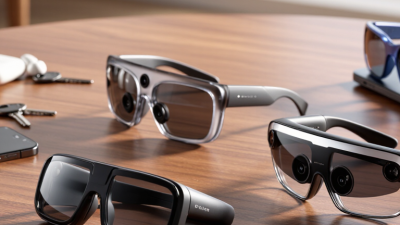
Choosing voice assistant smart glasses is less about chasing the newest feature and more about finding a pair that fits your everyday routines. Think about where you will use them: on a noisy commute, during a hands-free call, or while following a recipe at home. Those settings place different demands on microphones, speakers, controls, and battery life.
Start with compatibility. Check which phone operating systems and voice services the glasses support, and whether key features require a companion app or subscription. Then consider comfort: frame weight, nose-pad fit, lens options, and how the glasses feel after an hour—not just a quick try-on. Small details matter. A button that is hard to reach can become annoying fast.
Audio deserves a practical check. Open-ear speakers may help you hear nearby sounds, but they can be difficult to use in a busy street. Microphone performance also varies, so look for independent testing and clear product specifications rather than relying on broad marketing claims. Review how voice activation works, what settings control it, and whether the manufacturer explains its data practices. These details differ by model and may change with software updates.
No pair is perfect. A stylish frame may have limited battery life, while a feature-rich option may feel bulky. I would treat hands-free convenience as a useful extra, not a replacement for checking important information yourself. Before buying, compare return terms, warranty coverage, prescription availability, and verified user feedback. A short in-store trial—or a careful test at home—can reveal problems a spec sheet cannot. The right choice is the one you can wear comfortably, control confidently, and trust for the tasks you actually need.
Read more »
 By:Amelia
- September 24, 2026
By:Amelia
- September 24, 2026
7 Best Smart Glasses with Camera in 2026
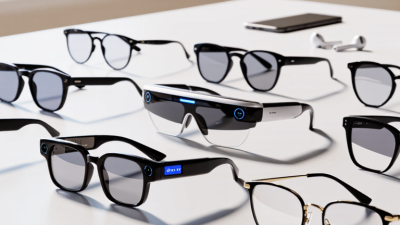
Smart glasses with camera promise a hands-free way to capture moments, follow directions, and stay connected. In 2026, the category includes discreet everyday frames and more feature-rich models with displays or voice controls. Yet the camera is only part of the experience. A bright outdoor clip may look sharp, while indoor footage can turn grainy or soft. Small details matter.
This guide compares seven options by camera performance, comfort, battery life, controls, and everyday usefulness. It also considers practical trade-offs: frame weight after hours of wear, how quickly recording starts, and whether audio remains clear beside a busy street. Specs can help, but they do not tell the whole story. Fit varies, and a feature that feels clever in a shop may become tiring during a commute.
Privacy deserves equal attention. A visible recording indicator, straightforward controls, and considerate use can help people nearby understand when the camera is active. No design removes every concern. The right pair depends on what you plan to capture, how often you will charge it, and how much you value a familiar look over extra features. This is not a perfect formula; product claims and real-world results can differ. The picks ahead aim to make those differences easier to judge, without treating the most expensive model as the automatic winner. Expect useful strengths, a few compromises, and details worth checking before you buy.
Read more »
By:Eleanor
- September 24, 2026