0%

AI is moving from phone screens into watches, rings, glasses, and earbuds. Yet a feature label does not guarantee useful intelligence. A watch may summarize sleep patterns, while another mainly sends notifications and tracks steps. For shoppers, the difference often appears after the box is opened: in battery life, app costs, comfort, and whether insights actually help.

IDC’s Worldwide Quarterly Wearable Device Tracker forecast 538.9 million wearable-device shipments worldwide in 2024, a 6.1% annual increase. That figure covers wearables broadly, not AI products alone. The distinction matters. Sales volume cannot tell us whether an AI feature is accurate, private, or worth paying extra for. It also cannot show how well a device works with your phone. Small details count. A ring that needs daily charging may stay in its case; a low-cost watch may require a subscription for health trends.

These seven tips focus on the decisions buyers can check before spending: the total price, ongoing fees, sensor capabilities, software support, privacy controls, battery performance, and return terms. Look for clear product specifications and independent testing, rather than relying only on polished demonstrations. The right choice depends on your habits, too. A wearable that fits one person may feel distracting or uncomfortable to another. No checklist removes every doubt, but careful comparisons can help you find affordable AI wearables that offer practical value instead of expensive promises.
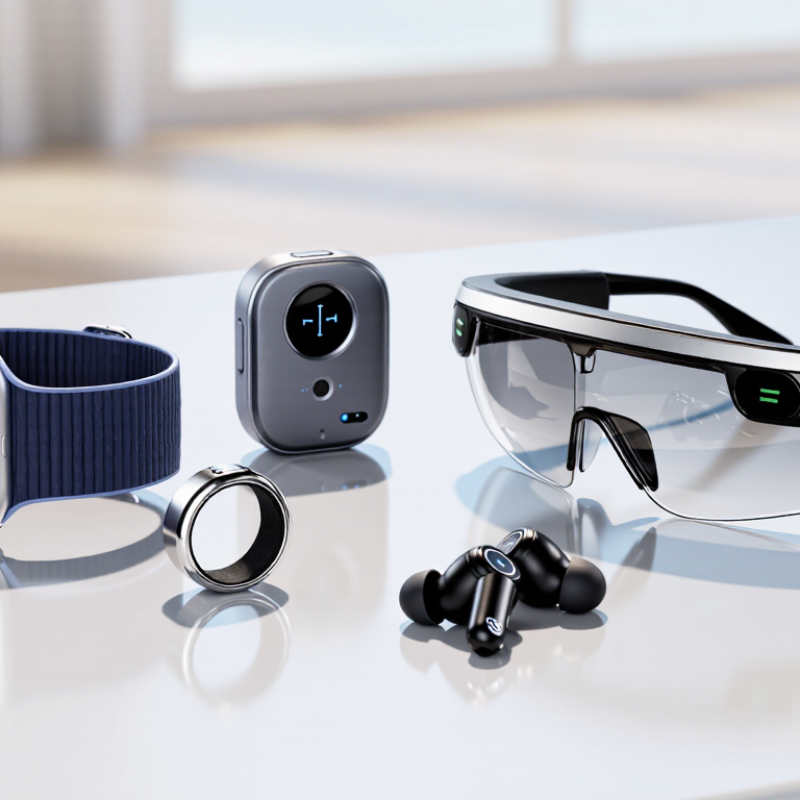
7 Tips for Buying Affordable AI Wearables?

Use IDC’s 537.9M Wearable Shipments Forecast to Compare Product Categories

IDC’s forecast of 537.9 million wearable shipments points to a broad market, not a guarantee that every device is worth buying. Compare watches, fitness bands, hearables, and smart glasses as separate categories. Their sensors, screens, and AI features serve different needs. The forecast does not show which category offers the best value. That matters.

Tip: Start with your daily routine. A watch may suit someone who checks health readings and notifications between errands. A lightweight band may cover basic activity tracking without a bright screen or extra features. Try wearing a device for several minutes; a snug strap can feel irritating by evening.

Tip: Check the AI feature, not just the label. Ask whether it gives clear, useful feedback, and whether core functions still work when your phone is elsewhere. Compare battery life, subscription costs, privacy settings, and repair options. It is easy to get dazzled by a clever demo. A little skepticism helps: a large shipment forecast measures market scale, not accuracy or long-term comfort.

Match AI Features to Your Needs Before Paying for Premium Models

Before paying for a premium AI wearable, identify the task you actually want it to handle. Do you need spoken reminders while cooking, sleep trends, or quick voice notes during a commute? Write down your three most useful daily tasks. Then check whether the device supports them without an expensive subscription. That detail matters.

Match each feature to a real moment in your routine. If you walk outside with your phone in a bag, clear voice control may help more than a complex screen. If you mainly want activity tracking, basic sensors and readable summaries might be enough. Try asking the device a few ordinary questions in a noisy room, and check how easily you can review or delete recorded information. Small inconveniences count.

Premium features can sound impressive in a product description. They may still go unused. I have found it easy to imagine using every smart function, then reach for my phone instead. A little embarrassing, but useful to notice. Compare the total cost over a year, including charging accessories or paid services. If a cheaper model covers your regular needs, save the difference for a feature you can test before buying.

Compare Battery Life, Connectivity, and Subscription Costs

An affordable AI wearable can become costly through charging, connectivity, and recurring fees. Compare battery estimates under similar settings: GPS, frequent health tracking, and voice prompts can shorten runtime. A device lasting two days may suit a desk routine but frustrate someone away from a charger overnight. Check whether it works without a phone nearby, and whether cellular service needs a separate plan. Small print matters.

IDC reported about 537 million wearable-device shipments worldwide in 2024. That broad market includes devices with very different power needs, so shipment growth is not proof of value. Ask how long core features work offline, whether Bluetooth is enough, and what happens when a trial ends. A $8 monthly feature adds $96 yearly, before taxes. Not trivial.

Recurring fees deserve the same scrutiny as hardware prices. Deloitte’s 2024 Digital Media Trends survey found that 47% of consumers felt they paid too much for streaming services; wearable subscriptions are a different category, but the budget lesson applies. List every paid feature, renewal date, and cancellation step before buying. I would still verify the stated battery life in independent testing; advertised figures rarely match every person’s routine.

Check Health Claims Against the FDA’s Three Medical-Device Risk Classes

Affordable AI wearables can track sleep, pulse, or activity, but confident marketing language does not prove medical accuracy. Check the exact health claim before paying extra. Is the device promising general wellness insights, or claiming to diagnose, treat, or monitor a disease? That distinction matters. FDA oversight depends on intended use and risk, not the presence of AI or a sensor.

The FDA’s device-classification overview estimates that about 47% of medical devices are Class I, 43% Class II, and 10% Class III. Class I generally carries the lowest risk; Class III carries the highest and requires the strongest controls. These figures cover medical devices broadly, not wearables alone. A classification is not a quality score. I still find the terminology confusing: “FDA registered” is not the same as cleared or approved. Ask what specific authorization applies to the exact model and claim.

Before buying, look for the evidence behind a number such as “irregular rhythm detection.” Does a study test the same feature, on similar users, under real-world conditions? Check whether results were independently reviewed, and whether the device warns that readings are not a diagnosis. If a seller offers only polished charts, that is a gap. Useful data should explain limitations, not hide them. Compare the feature’s evidence with the cost, battery life, and return policy. A cheaper tracker may be enough for trends, but not for clinical decisions.

Review Privacy, App Support, and Return Policies Before Buying

Before buying an affordable AI wearable, read its privacy settings and policy, not just the product page. Check what it collects: voice clips, location, contacts, or activity data. Does processing happen on the device, or are recordings sent to a cloud service? Look for clear controls to disable collection, review stored data, and request deletion. Also check how long data is kept and whether it may be used to improve AI features. A vague answer is worth noticing. A polished privacy page is not proof by itself.

The companion app deserves the same scrutiny. Confirm that it supports your phone’s operating system and receives regular updates. Check whether core features work without a paid subscription or constant internet access. If setup requires an account, find out what happens when you change phones. Test the app’s settings before relying on the wearable for daily tasks. It can be fiddly. Return terms matter, too. Check the return window, refund method, shipping costs, and whether opening or wearing the device affects eligibility. Save the receipt and take a screenshot of the policy; terms can be easy to lose. A low price feels less affordable if the app stops working or returns are complicated.

FAQS

What does a forecast of 537.9 million wearable shipments tell shoppers?

It suggests a large market across watches, fitness bands, hearables, and smart glasses. It does not prove that any category offers better value or accuracy. Scale is not a recommendation.

Can one wearable suit every daily routine?

Not necessarily. A watch may suit someone checking health readings and notifications between errands. A lightweight band may work better for basic activity tracking without a bright screen.

How can I check whether a wearable feels comfortable?

Wear it for several minutes and notice how the strap sits on your wrist. A snug fit can feel irritating by evening. Small details matter.

How should I judge an AI feature before buying?

Match it to a real task, such as spoken reminders while cooking or voice notes during a commute. Test it with ordinary questions in a noisy room. Demos can mislead.

Are premium AI features worth the extra cost?

Only if you will use them regularly and they do not require an unwanted subscription. Compare the yearly cost, including paid services and charging accessories. I have overestimated my own interest in smart features, then reached for my phone instead.

What should I check if I mainly want activity tracking?

Look for basic sensors and summaries you can read easily. A complex screen may add little if you only want daily activity figures. Keep it simple.

Should core features work when my phone is elsewhere?

Check this before buying, especially if you carry your phone in a bag. Test voice control and the functions you expect to use. Convenience is personal.

What privacy and ownership details should I review?

Check the privacy settings and how easily you can review or delete recorded information. Also look into repair options and battery life. I might overlook those details.

Conclusion

Buying affordable AI wearables starts with comparing the kinds of products available rather than choosing the most feature-packed option. IDC’s forecast of 537.9 million wearable shipments offers a useful backdrop for considering how categories differ, but your own needs should guide the decision. Identify which AI features would genuinely help you, then weigh them against the price of premium models. Check practical details such as battery life, connectivity, and any recurring subscription costs, since these can affect the total cost over time.

For health-related features, look carefully at what a device claims to measure and compare those claims with the FDA’s three medical-device risk classes. Also review how the companion app handles privacy, whether it is likely to remain supported, and what the return policy allows. Taking time to assess these factors can help you find a wearable that fits your budget and expectations without paying extra for features you may not use.

Eleanor

Eleanor

Eleanor is a professional marketing specialist with in-depth knowledge of the company’s products and a strong understanding of how they can support customers’ needs. She regularly contributes expert articles to the company website, sharing clear, practical insights that help readers understand......