China has become a significant sourcing hub for Bluetooth calling smart glasses, serving brands, distributors, and technology buyers worldwide. However, choosing a capable manufacturer requires more than comparing catalog prices. Product quality can vary between prototypes and mass production.
This guide examines leading Chinese manufacturers through practical criteria, including engineering experience, communication reliability, factory capacity, and customization support. It considers essential details such as microphone clarity, speaker balance, wind-noise reduction, battery performance, charging design, frame comfort, and hinge durability. A reliable supplier should explain these specifications clearly and provide testing evidence when requested. Product samples matter.
The review also considers manufacturing transparency, quality-control procedures, and compliance documentation for relevant markets. Factory audits, sample inspections, and small pilot orders can reveal problems that polished presentations may hide. Some suppliers may excel at hardware development but offer limited after-sales support. Others may provide strong customization yet struggle with consistent delivery. No manufacturer list is flawless. Buyer requirements differ.
The most suitable partner depends on your target users, order volume, budget, and software expectations. Clear questions about Bluetooth stability, call latency, privacy protection, warranty terms, and replacement parts can prevent costly misunderstandings. In real use, a pair that sounds impressive indoors may perform poorly beside a busy road. Careful evaluation remains essential. This overview aims to help readers compare China’s top manufacturers with a practical, evidence-based perspective.
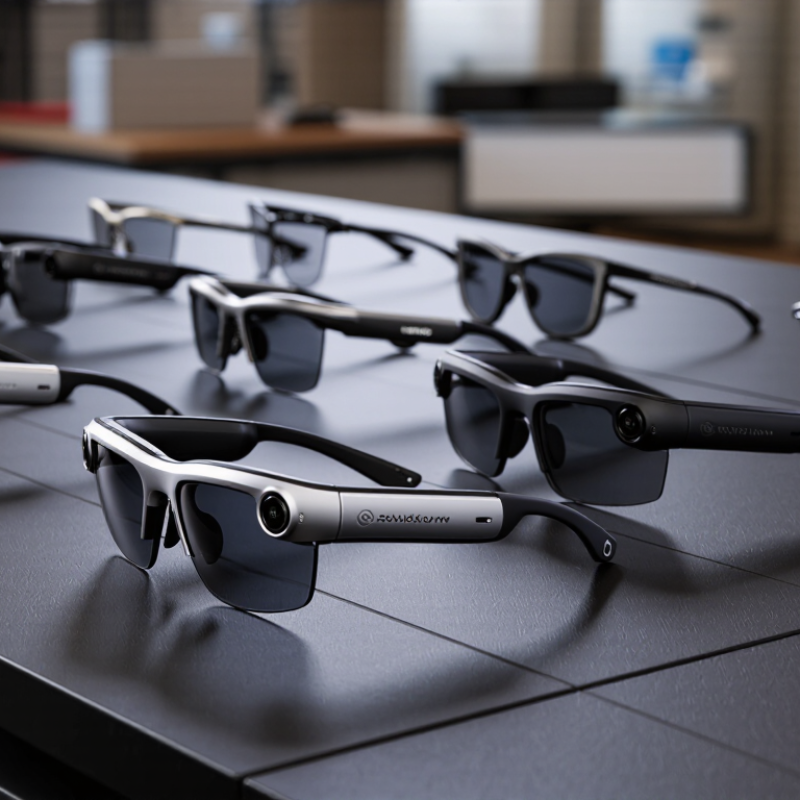
Bluetooth calling smart glasses are wearable frames with built-in microphones, speakers, and wireless connectivity. They connect to a smartphone through Bluetooth for calls, voice commands, and audio playback. A small microphone captures speech near the wearer’s mouth, while open speakers deliver sound without covering the ears. Calls feel more natural when the frame fits securely. However, performance changes in busy places. Traffic noise, wind, and loose hinges can reduce voice clarity. These glasses are useful, but they are not magic.
From a technical perspective, reliable models need stable Bluetooth connections, echo control, clear microphones, and comfortable weight distribution. Battery capacity also matters because frequent calls can shorten operating time. A practical evaluation should include indoor calls, outdoor walking, and several hours of wear. Check whether the controls are easy to find without looking. I once underestimated nose-pad comfort; a frame can sound excellent yet become tiring after lunch. That small detail deserves more attention.
Tips: Test call quality before purchase. Speak softly in a quiet room, then repeat the test outdoors. Confirm charging time, battery life, water resistance, and phone compatibility. Review privacy settings carefully, especially when microphones remain active. Avoid assuming higher specifications guarantee better comfort. Fit still matters.
A small control chip manages pairing, call signals, audio, and battery use. The glasses do not normally connect to mobile networks alone.
Digital signal processing reduces wind and background noise. The phone sends the other person’s voice back to the glasses. Tiny open speakers direct sound toward the ears without fully blocking surrounding traffic.
Audio quality depends on speaker placement, frame fit, room noise, and software tuning. In practical testing, clear speech may become harder near roads or strong air vents.
It can still fail.
They should also document battery capacity under calling conditions, not only music playback. A compact frame often has limited battery space, so long calls can reduce operating time quickly.
Users should check permissions, pairing alerts, and indicator lights before accepting calls in public. Privacy depends on both hardware behavior and everyday habits.
China Top Bluetooth Calling Smart Glasses Manufacturers?
China-made Bluetooth calling smart glasses now combine eyewear comfort with hands-free communication. The most important feature is call clarity. Dual microphones should reduce wind and street noise during outdoor use. Open-ear speakers can keep users aware of traffic and nearby conversations. However, sound leakage remains possible in quiet offices.
Reliable models usually support stable Bluetooth connections within practical indoor distances. Touch controls or physical buttons should answer calls without requiring a phone.
Battery performance also matters. A useful pair may provide several hours of calling, depending on volume and connection strength. USB-C charging is convenient, but charging speed can vary between products.
During product checks, I look closely at frame balance, hinge strength, and nose-pad comfort. A lightweight frame feels better after extended calls. Lens options may include clear, tinted, or prescription-ready designs. Water resistance helps with light rain, yet it does not guarantee protection during heavy exposure. The fit is not perfect.
Manufacturers with stronger engineering processes usually provide clear manuals, test reports, and consistent quality checks. Still, published specifications should be verified through independent sampling. I would not trust one laboratory number alone. Microphone placement, software updates, and phone compatibility can affect everyday performance. Good smart glasses should feel like normal eyewear, not a complicated device.
China’s smart glasses sector offers strong engineering depth, but factory selection needs more than attractive product photos. Grand View Research estimated the global smart glasses market at about USD 1.93 billion in 2023, with rapid growth expected through 2030. This expansion attracts capable manufacturers and inexperienced assemblers alike.
Ask for three production samples from different batches. Compare call clarity, microphone pickup, hinge strength, charging temperature, and battery runtime. A polished sample can still hide weak quality control. Check whether the manufacturer operates an ISO 9001 quality system, records incoming component inspections, and performs final functional testing. Request Bluetooth qualification evidence and radio compliance documents for your target markets. The Bluetooth SIG reported more than five billion Bluetooth device shipments in 2023, so interoperability should never be assumed.
Review the factory’s engineering process, not only its showroom. Confirm the chipset supplier, lens options, firmware update method, mobile application ownership, and data-protection practices. Ask for failure-rate records and corrective-action reports. Those documents reveal more than a sales presentation. Counterpoint Research has reported strong recent growth in smart-glasses shipments, but market momentum can encourage rushed launches. Lead times, minimum order quantities, tooling ownership, and spare-part support should appear in the contract. I would also test ten units continuously for several days. It is slower. It may expose heat, charging, or connection problems that a laboratory sample conceals.
China Top Bluetooth Calling Smart Glasses Manufacturers?
China’s leading manufacturers generally fall into three groups: full-service OEM/ODM factories, acoustic-electronics specialists, and design houses using certified production partners. Full-service factories manage frames, Bluetooth modules, firmware, packaging, and testing under one roof. Acoustic specialists often deliver clearer speakers and microphone tuning, but may depend on outside frame suppliers. Design houses provide faster prototypes, although their production control can be less consistent.
Market evidence supports careful supplier screening. The Bluetooth SIG’s 2024 Market Update forecasts annual Bluetooth device shipments will reach 5.4 billion by 2028. Grand View Research also projects strong growth for the global smart-glasses market through 2030. These figures indicate expanding demand, not guaranteed quality. Ask each supplier for measured call tests, not only a product video. Check microphone performance in traffic noise, wind, and crowded offices. Small details matter.
A reliable Chinese manufacturer should show traceable component sources, documented quality controls, and experience with export compliance. Review battery safety files, radio testing, firmware update procedures, and water-resistance evidence. Confirm hinge-cycle testing and charging-port durability. Request a pilot batch before approving mass production. Factory visits in major electronics centers can reveal line discipline, inspection records, and rework practices. Yet visits can create false confidence. Independent pre-shipment inspection remains useful. One overlooked issue is after-sales software support; weak applications can damage an otherwise excellent product. Select on evidence, communication speed, minimum order flexibility, and realistic delivery terms. Forecasts are useful, but factory behavior is the stronger signal.
This illustrative procurement framework prioritizes the factors commonly used when comparing Chinese smart-glasses manufacturers: call quality, Bluetooth compatibility, optical and wearable design, manufacturing capability, compliance, customization, and after-sales support. Buyers should adjust the weighting according to their target market and product specifications.
They are eyewear with built-in microphones, open speakers, and wireless phone connectivity. They support calls, voice commands, and audio playback. They are useful, not magical.
Call clarity can drop near traffic, wind, or crowded streets. Dual microphones may reduce noise, but results vary. Test them outdoors before buying.
Open speakers may leak sound in quiet offices or small rooms. Lower volume can help. Privacy is not guaranteed.
Comfort matters during long calls. Check weight balance, hinge movement, and nose-pad pressure. A frame may sound excellent yet feel tiring after lunch.
Review calling time, charging time, and charging-port durability. Frequent calls can reduce operating time. Battery performance changes with volume and connection strength.
Confirm phone compatibility and Bluetooth stability. Test controls without looking at the frame. Software updates can also affect everyday performance.
Some models handle light rain. Water resistance does not guarantee protection during heavy exposure. Check the specific rating and charging guidance.
Request call-test data, battery safety files, and radio-testing documents. Review quality records and component sources. A pilot batch is wiser than immediate mass production.
Make one quiet indoor call, one outdoor walking call, and one longer wear test. Check wind noise, comfort, controls, and charging. One laboratory number is not enough.
Bluetooth calling smart glasses combine eyewear with wireless audio and hands-free communication, allowing users to make and answer calls through built-in microphones, speakers, and Bluetooth connectivity. Some models may also include voice controls, touch buttons, navigation support, music playback, UV protection, and lightweight designs. Their performance depends on factors such as connection stability, microphone clarity, speaker quality, battery life, charging convenience, comfort, and compatibility with common mobile devices.
When evaluating Chinese smart glasses manufacturers, buyers should consider product development capabilities, manufacturing experience, quality-control procedures, customization services, testing standards, production capacity, and after-sales support. China’s supplier landscape includes technology developers, optical manufacturers, electronics factories, and OEM/ODM providers, each offering different advantages. A suitable partner should provide reliable samples, transparent specifications, consistent production quality, responsive communication, and clear delivery terms. Careful comparison of materials, functions, certifications, pricing, and long-term cooperation capabilities can help businesses select Bluetooth calling smart glasses that match their target market and practical requirements.