0%

China’s vision AI glasses market is moving beyond camera frames and voice commands. Manufacturers now compete on optics, on-device processing, battery life, comfort, and software support. Small design choices matter. A frame that feels heavy after an hour may undermine even impressive demonstrations.

At Meta Connect 2024, Mark Zuckerberg described glasses as “the ideal form factor for AI, because they can see what you see, hear what you hear, and talk to you throughout the day.” That idea helps explain the appeal of vision AI glasses, but it is not a product scorecard. For this overview, “top” should mean more than visibility or bold specifications. It should reflect verifiable product capabilities, engineering depth, manufacturing experience, and support for real-world use. The comparison will examine Chinese manufacturers through those practical lenses, including how clearly they describe camera performance, display options, battery expectations, and data handling. Those details deserve careful checking. Public specifications can be incomplete, and a polished prototype may not represent a dependable retail product. This assessment has limits, too: product lines change quickly, and company claims need independent confirmation. That caveat matters. The goal is a useful shortlist, not a perfect ranking. Readers should leave with sharper questions to ask before choosing a supplier or device.
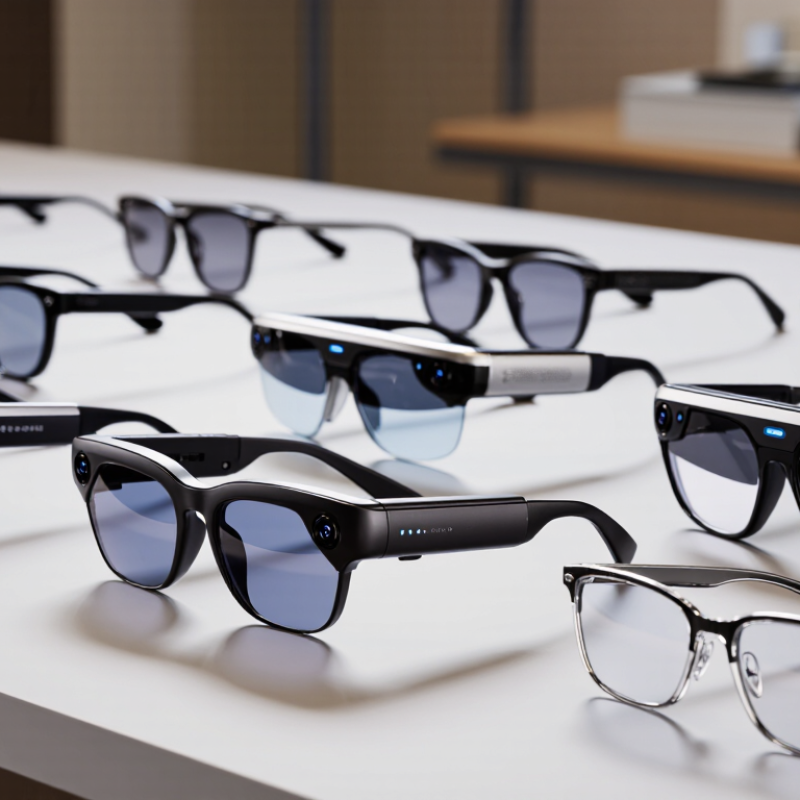
Who Are the Top Vision AI Glasses Manufacturers in China?

What Qualifies as Vision AI Glasses? Core Functions and Product Types

What Qualifies as Vision AI Glasses? Core Functions and Product Types

Vision AI glasses combine a wearable frame with cameras, microphones, and software that interprets visual information. A camera alone does not make a pair “vision AI.” The system should recognize or describe what it sees, then provide a useful response through audio, a display, or another interface. That distinction matters. Common tasks include reading a sign aloud, identifying an object on a desk, translating short text, or answering questions about a scene. Results can vary with lighting, camera angle, and network access.

Product types range from camera-enabled assistant glasses to models with a small in-lens display. Some are designed for everyday hands-free tasks; others support workplace instructions or visual assistance. Buyers should check whether processing happens on the device or through a connected phone, and whether the product explains its limits clearly. A bright shop window can still confuse text recognition. Small details count.

Tips: Test glasses with real tasks, such as reading a menu under indoor lighting. Check comfort, battery life, audio clarity, and how easily controls work while walking. Ask how images are stored and processed, and verify advertised features against independent hands-on reviews. Not always. A longer feature list does not mean better everyday performance.

What Qualifies as Vision AI Glasses?

Typical core capabilities across vision AI glasses product types

A vision AI glasses product combines a camera or visual sensor with AI that interprets visual information. A display is optional. Values show whether a capability is typically central to each product type (1) or not (0); individual products vary. This is an illustrative product taxonomy, not market-share data or a manufacturer ranking.

How Fast Is the Market Growing? IDC Recorded 1.67 Million China Shipments in 2024

IDC recorded 1.67 million smart-glasses shipments in China in 2024. That is a substantial market signal. However, one annual shipment figure does not reveal the exact growth rate. A year-on-year comparison, along with a clear definition of which products are counted, is needed to measure momentum accurately. Shipments also do not equal active users; some devices may be awaiting sale or still being tested.

For manufacturers, rising volume can reward practical design choices: comfortable frames, reliable cameras, clear audio, and battery life that lasts through a commute. Small details matter. A warm frame against the temple or a charging case that is awkward to carry can weaken repeat use. AI features also need to work quickly in noisy streets and bright daylight, not only in carefully staged demonstrations.

The 1.67 million figure suggests real commercial interest, but it does not identify which makers lead in quality, sales, or long-term reliability. Those questions require comparable shipment data and independent product testing. There is room for caution here: fast adoption can attract attention, while everyday usefulness remains harder to measure. For buyers and industry observers, tracking comfort, repair options, and dependable software alongside shipment totals gives a more grounded view of the market.

Which Chinese Manufacturers Lead? Compare RayNeo, Rokid, XREAL, INMO and Huawei

China’s vision-AI glasses market is not led by one universal winner. One manufacturer stands out for compact designs and waveguide optics, aiming to keep frames light enough for daily wear. Another emphasizes voice interaction and hands-free assistance, while a third focuses on vivid displays and spatial viewing. A fourth targets practical, lightweight eyewear, with simple controls that are easier to use on a commute. The fifth benefits from a broader device ecosystem, which may make pairing and software support more convenient.

Different priorities. That matters.

A useful comparison goes beyond headline specifications. Check frame weight, battery life during calls, outdoor screen visibility, and how naturally the assistant handles noisy streets. Ask whether the glasses work well without a phone nearby, and whether prescription options fit your needs. These details shape everyday comfort more than a striking demo does. Product lineups and software can change, so compare current models rather than relying on older reviews. Some claims are hard to verify from a brief trial; I would want longer wear tests before calling any option the clear leader. Even a clever interface can feel awkward by lunchtime.

How Do Their Products Compare on Displays, Cameras, AI Chips and Battery Life?

China’s vision AI glasses manufacturers compete across four practical areas: displays, cameras, processing, and battery life. A brighter microdisplay can keep navigation text readable outdoors, but it may also consume more power. Check whether information sits comfortably near your line of sight. A sharp screen is not always a comfortable one.

Camera quality depends on more than resolution. Stabilization, focus speed, and performance in dim rooms affect whether everyday clips look usable. AI chips also vary: some handle voice commands and image tasks on the glasses, while others rely more on a connected phone. That difference can affect response time and privacy. Battery figures need context, too; continuous recording usually drains power faster than occasional prompts. Specifications are useful, but real-world results can vary with settings and temperature.

Tips: Compare recording time, standby time, and charging time separately. Try the glasses indoors and outside, and check whether frames feel balanced after an hour. Ask how much processing happens on-device. No single model leads in every category, and product comparisons can miss small comfort issues that matter daily.

What Do IDC Shipment Trends Reveal About China’s Next AI Glasses Leaders?

IDC shipment trends can show which Chinese vision AI glasses manufacturers are gaining scale, but shipment growth is only one signal. Rising volumes may reflect wider retail access, lower prices, or stronger production capacity. They do not prove that users keep wearing the glasses after the first week. That distinction matters.

Look for steady growth across several reporting periods, not a single shipment spike. Also compare product segments: lightweight audio-first frames and display-equipped glasses serve different needs. A manufacturer with reliable image processing, comfortable frames, and useful software updates may build a stronger position than one focused only on volume. IDC figures can guide comparisons, though category definitions and channel inventory may affect interpretation. The picture is not perfect.

Tips: Check whether reported shipments align with retail availability and repeat user feedback. Ask about battery life during a full day, indoor camera performance, and repair support. Small details count. A clear voice pickup in a noisy station may matter more than a long feature list. Shipment leaders can change quickly, so treat the data as a snapshot—not a promise of future dominance.

FAQS

What should I compare when evaluating displays on AI glasses?

Check outdoor readability, text placement, and comfort near your line of sight. A brighter microdisplay may use more power. Sharp is not always comfortable.

Which camera details matter beyond resolution?

Look at stabilization, focus speed, and performance in dim rooms. These affect whether everyday clips look usable. Test indoors, too.

How can I tell where AI processing happens?

Ask which tasks run on the glasses and which rely on a connected phone. On-device processing may improve response time and privacy. Details can vary.

How should I compare battery life?

Compare recording, standby, and charging times separately. Continuous recording often drains power faster than occasional prompts. Settings and temperature also matter.

What can shipment trends reveal about manufacturers?

Steady growth across several reporting periods may indicate rising scale. A single shipment spike proves little about long-term user interest.

Do high shipment numbers mean people keep wearing the glasses?

Not necessarily. Shipments can reflect retail access, pricing, or production capacity. Repeat user feedback offers another useful clue.

Should I compare audio-first glasses with display-equipped models?

Compare models that serve similar needs. Lightweight audio-first frames and glasses with visual displays are not direct substitutes. That distinction is easy to miss.

What small details are worth checking before choosing?

Wear the frames for an hour and notice their balance. Test voice pickup in a noisy station, camera performance indoors, and repair support. Small details count. The comparison may still miss something.

Conclusion

Vision AI glasses combine eyewear with cameras, displays, sensors, and artificial intelligence to support hands-free tasks such as capturing images, viewing information, and interacting with digital assistants. The category includes products focused on audio and camera functions as well as models with built-in visual displays. In China, the market is expanding quickly: IDC recorded 1.67 million shipments in 2024, reflecting rising interest in wearable devices that make AI more accessible in everyday situations.

Comparing products in this field means looking beyond appearance to display clarity, camera performance, AI processing capabilities, comfort, and battery life. These factors shape how useful glasses are for communication, information access, and content capture throughout the day. Shipment trends also offer clues about the market’s next leaders: sustained growth will likely favor manufacturers that balance practical features, reliable performance, and comfortable design while adapting quickly to changing user needs.

Amelia

Amelia

Amelia is a professional marketing specialist with a strong understanding of the company’s products, services, and customer needs. She regularly contributes to the company website, sharing practical, well-researched blog articles that explain product features, highlight useful applications, and......